
Why Browser-Based Auth Fails for Agents
Agents run in servers, CLIs, and containers—not browsers. They can't handle redirects, solve CAPTCHAs, or manage cookies. Forcing them into human authentication flows creates security holes and operational nightmares.
The Agent Identity Gap
Traditional IAM asks: 'Can the user log in?' The real question is: 'Can the user safely delegate to an agent?'
This requires scoped permissions with not all-or-nothing access, short-lived credentials instead of forever tokens, headless authentication without browser dependencies, and clear audit trails where every action is traceable.
Agent-Native RBAC: How It Works
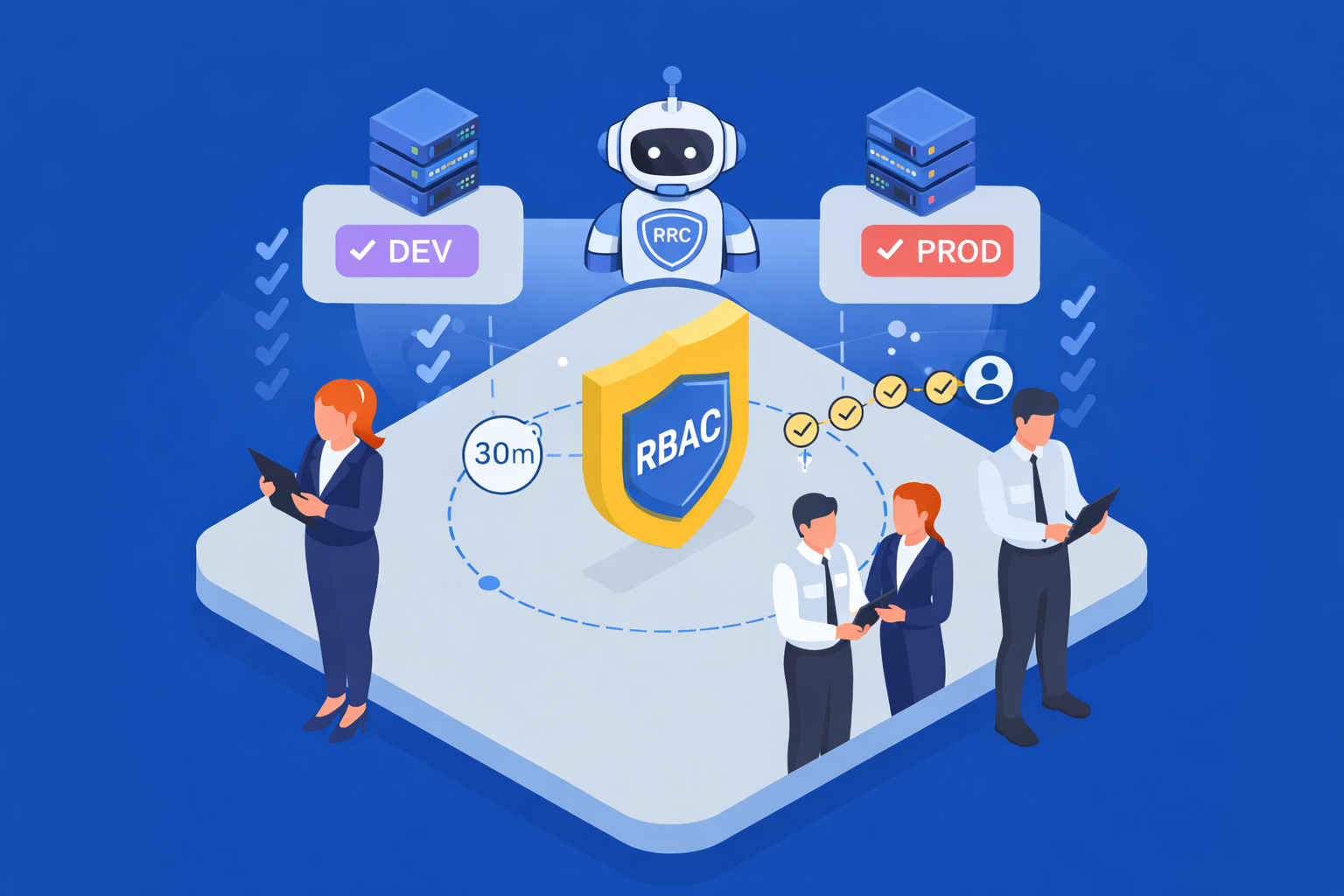
Forget static user roles. Agents need dynamic, context-aware permissions. For example, a deployment agent gets Kubernetes access only during release windows, only to specific namespaces, and only for 30 minutes at a time.
Patterns that work include time-bound roles where access expires automatically, environment-scoped permissions that distinguish between production and staging, approval-chained actions where critical operations need human sign-off, and zero-trust by default where you start with no access and add only what's needed.
The Enterprise Reality
In regulated environments, agents often run in locked-down networks such as VPCs or on-premises infrastructure. Browser-dependent authentication breaks these deployments. Headless protocols work anywhere.
Start Building Securely
Begin by decoupling from browsers—use OAuth Device Flow or direct API authentication. Implement least privilege by starting with zero access and adding only what's necessary. Build comprehensive audit trails so every agent action is traceable. Finally, plan for instant revocation with one-click deactivation capabilities that won't disrupt operations.