
What Is AuthSec and Why Does It Exist?
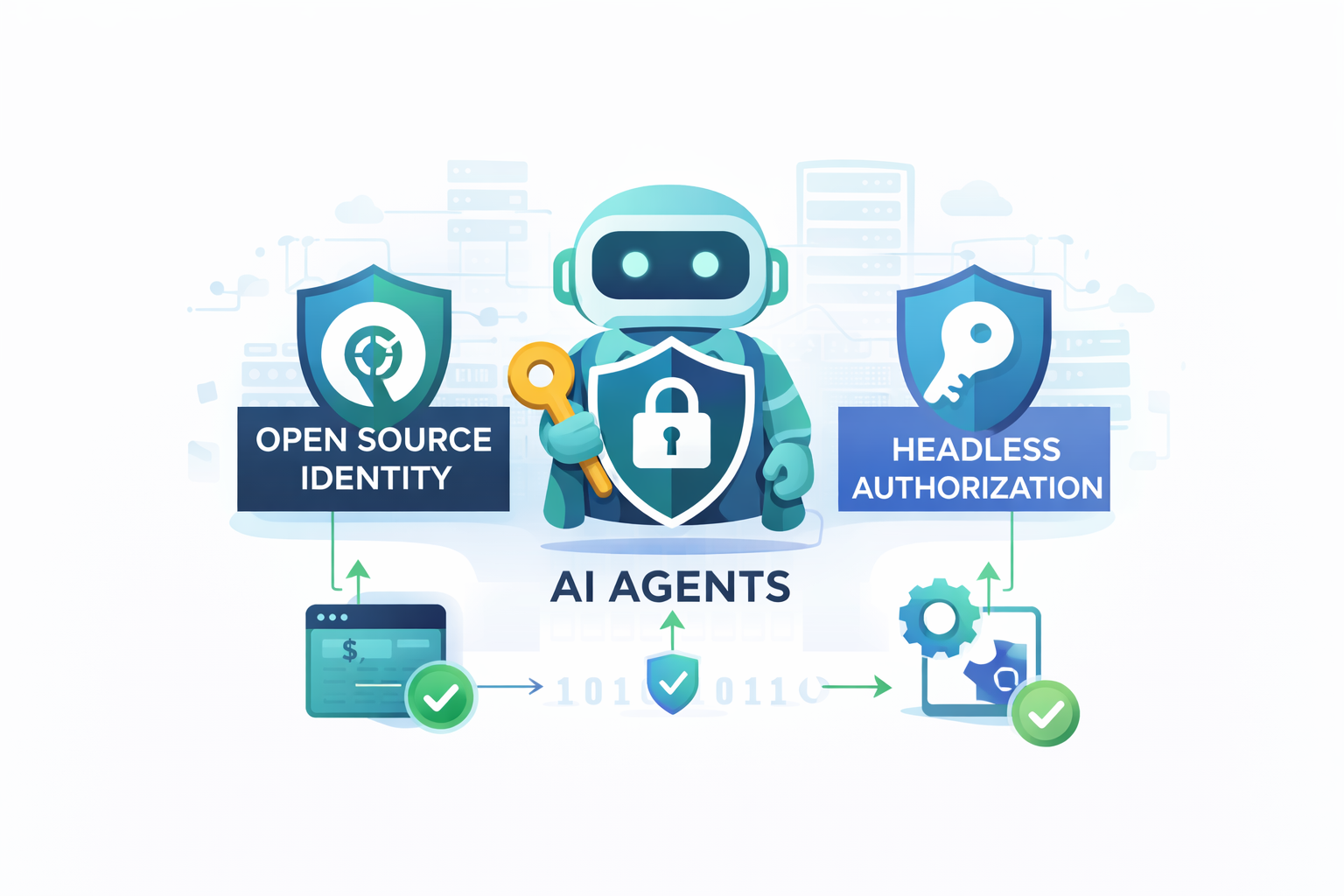
AuthSec is an open-source authentication and authorization platform built specifically for AI agents and MCP servers.
Most identity products were designed around a very specific assumption—there's a human sitting in front of a browser, clicking through redirects, cookies, and login pages. That model works well for web apps. It breaks down fast once you start shipping agents.
Agents don't live in the browser. They run in the background, on servers, in containers, inside CLIs, and behind voice or chat interfaces. They call tools, chain actions, and run unattended. Yet they still need the same fundamentals: strong authentication, least-privilege authorization, clean rotation and revocation, and real audit trails.
Traditional platforms like Okta or Auth0 were built for humans with browsers. AuthSec is built for machines. The differences run deep—runtime tokens instead of cookies, device flows instead of redirects, delegation as a core principle rather than an afterthought, and deployment flexibility that includes VPC, on-prem, and edge environments.
The Three Problems AuthSec Solves
First, agents run outside the browser. A lot of real agent deployments look like background workers, cron jobs, MCP tool-runners, server-side orchestrators, or RPA-style automations. There's no reliable browser context to lean on. But the system still needs to know who the agent is, what it's allowed to do, and how to revoke permissions without shipping long-lived tokens everywhere.
Second, the UI isn't a web page anymore. For many agent experiences, the interface is voice, chat, a native app, or an embedded widget. Browser-centric SSO assumes redirects and interactive sessions. That's awkward at best when the user is speaking into a microphone or approving an action from a device prompt.
Third, delegation is the real security problem. The key question isn't 'can the user log in?' It's 'can the user safely let an agent act on their behalf?' AuthSec enables scoped permissions, short TTLs, explicit constraints, out-of-band approvals, and headless-friendly flows—ensuring every delegation comes with guardrails that prevent misuse.
How the Technical Architecture Works
AuthSec operates as a gateway between AI agents and tool endpoints. Inside the gateway: authentication middleware verifies runtime tokens, a policy engine evaluates allow/deny rules per tool with risk classification, a credential vault stores secrets with AES-256-GCM encryption never exposed to agents, and an audit logger records every call for complete visibility.
For MCP environments, AuthSec provides a unified MCP server that acts as a secure proxy with provider-based tool routing, identity and credential injection into every request, and dynamic tool discovery that prevents overwhelming context windows.
Enterprise-Ready Features
AuthSec was built with enterprise constraints in mind. VPC and on-prem deployment lets you run entirely within your controlled networks. Multi-tenancy isolates agents, credentials, and policies across teams. Complete audit trails log every call with who asked which agent to do what.
Data ownership means you choose SQLite or PostgreSQL—you own your data entirely. And instant revocation provides built-in kill switches that revoke access globally. Teams don't want identity to depend on embedded browsers or UI automation that breaks when a page changes. AuthSec's headless flows are more reliable operationally and easier to lock down.
Why Open Source?
No vendor lock-in—organizations should be able to self-host or use a managed service on their terms. You shouldn't have to rebuild your agent infrastructure if you switch providers.
Auditable code—when you're trusting agents with sensitive operations, you need to verify exactly how authentication works. Open source means complete transparency.
Community-driven development—AuthSec is built for real agent deployments by people actually shipping agents, not for marketing slides. The community ensures we're solving real problems, not imagined ones.