
17 articles
Sort
Security
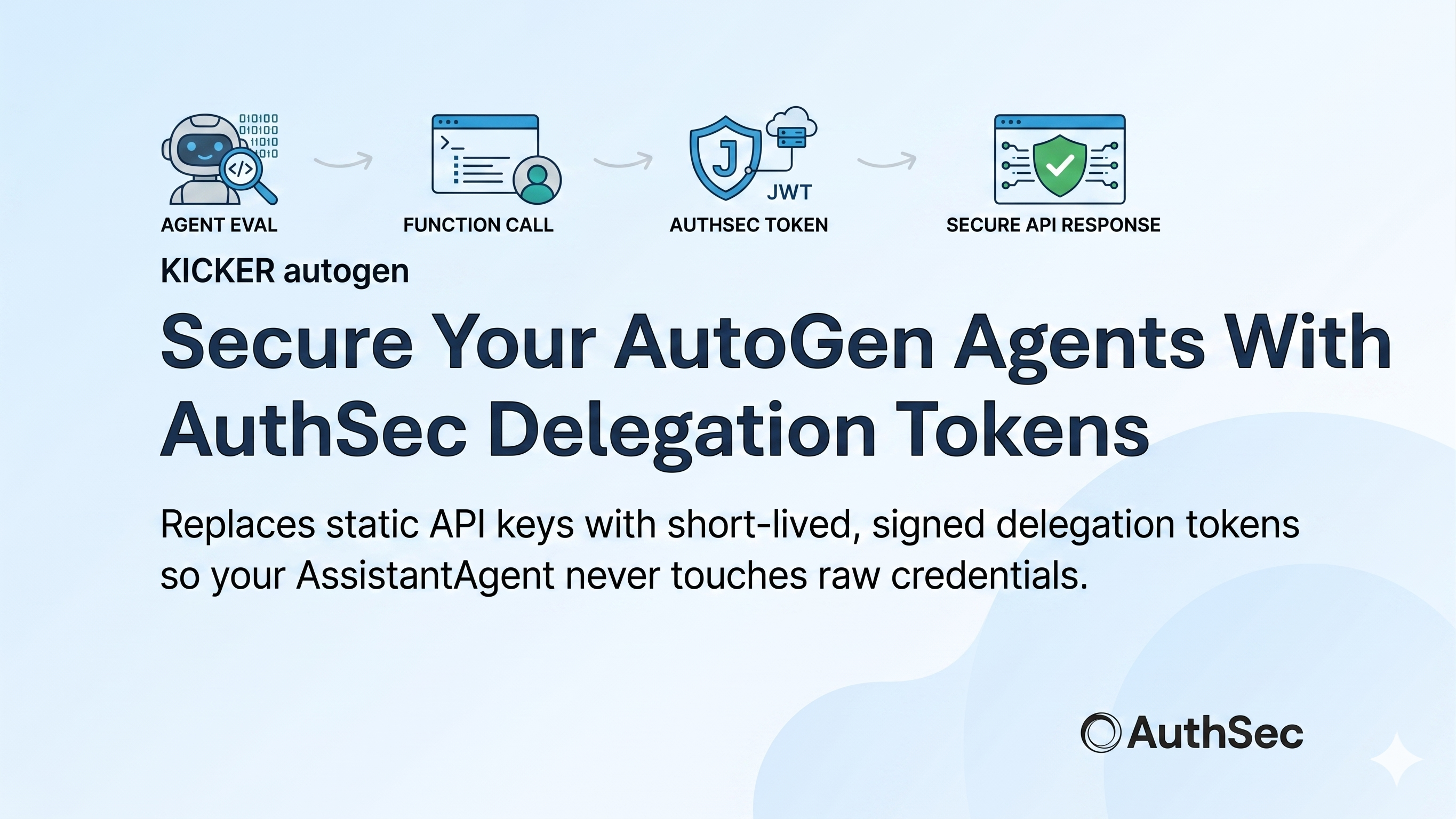
Secure Your AutoGen Agents With AuthSec Delegation Tokens
AutoGen's multi-agent conversations are powerful — but every registered function your agents call is a potential credential leak. authsec-autogen replaces static API keys with short-lived, RS256-signed delegation tokens so your AssistantAgent never touches a raw credential.
BIBishnu·May 29, 2026·6 min read
Security
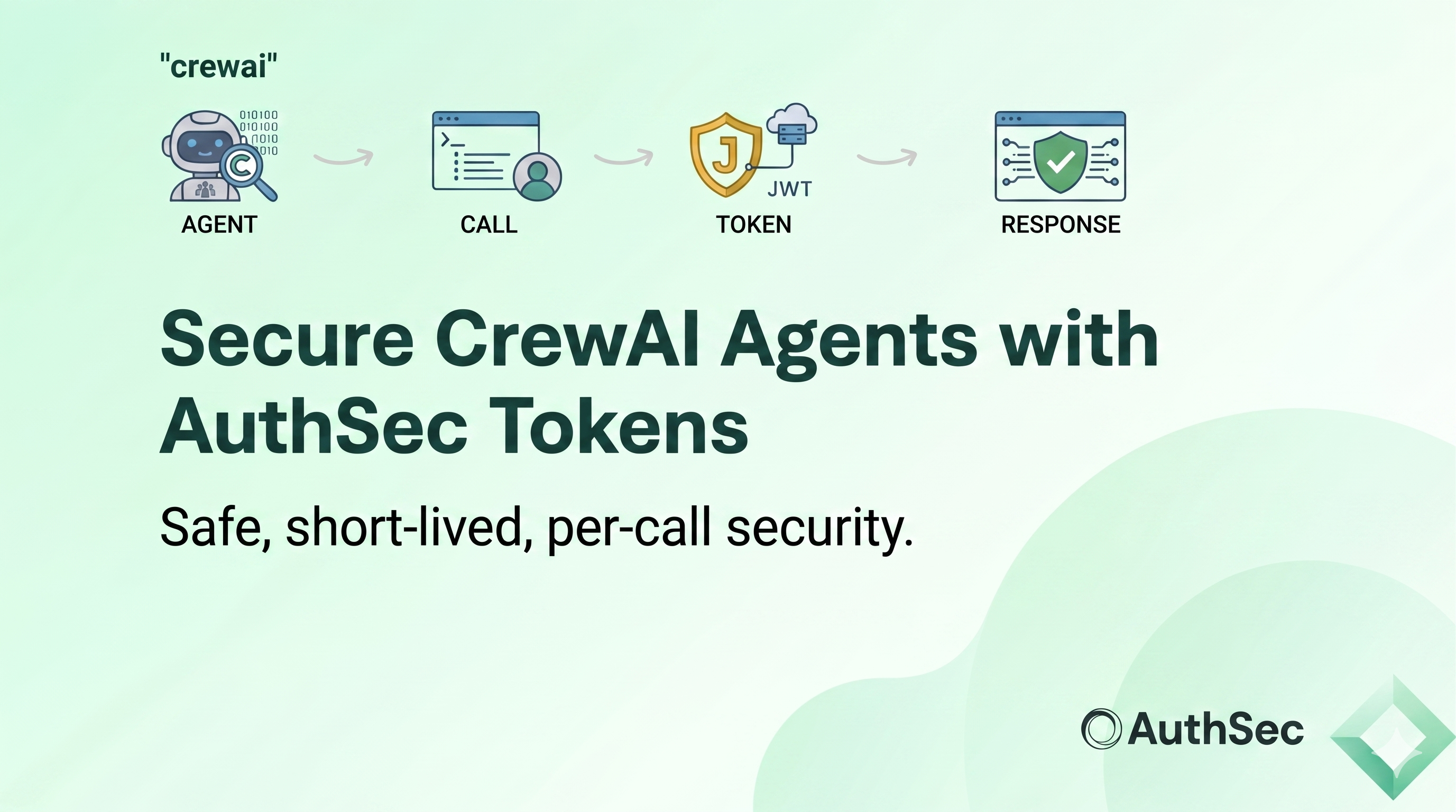
Secure Your CrewAI Agents With AuthSec Delegation Tokens
Static API keys in CrewAI tools give every agent a master key that never expires. AuthSec's authsec-crewai SDK replaces them with short-lived, RS256-signed delegation tokens — scoped per call, auditable, and dead on arrival if they leak.
BIBishnu·May 29, 2026·7 min read
Security
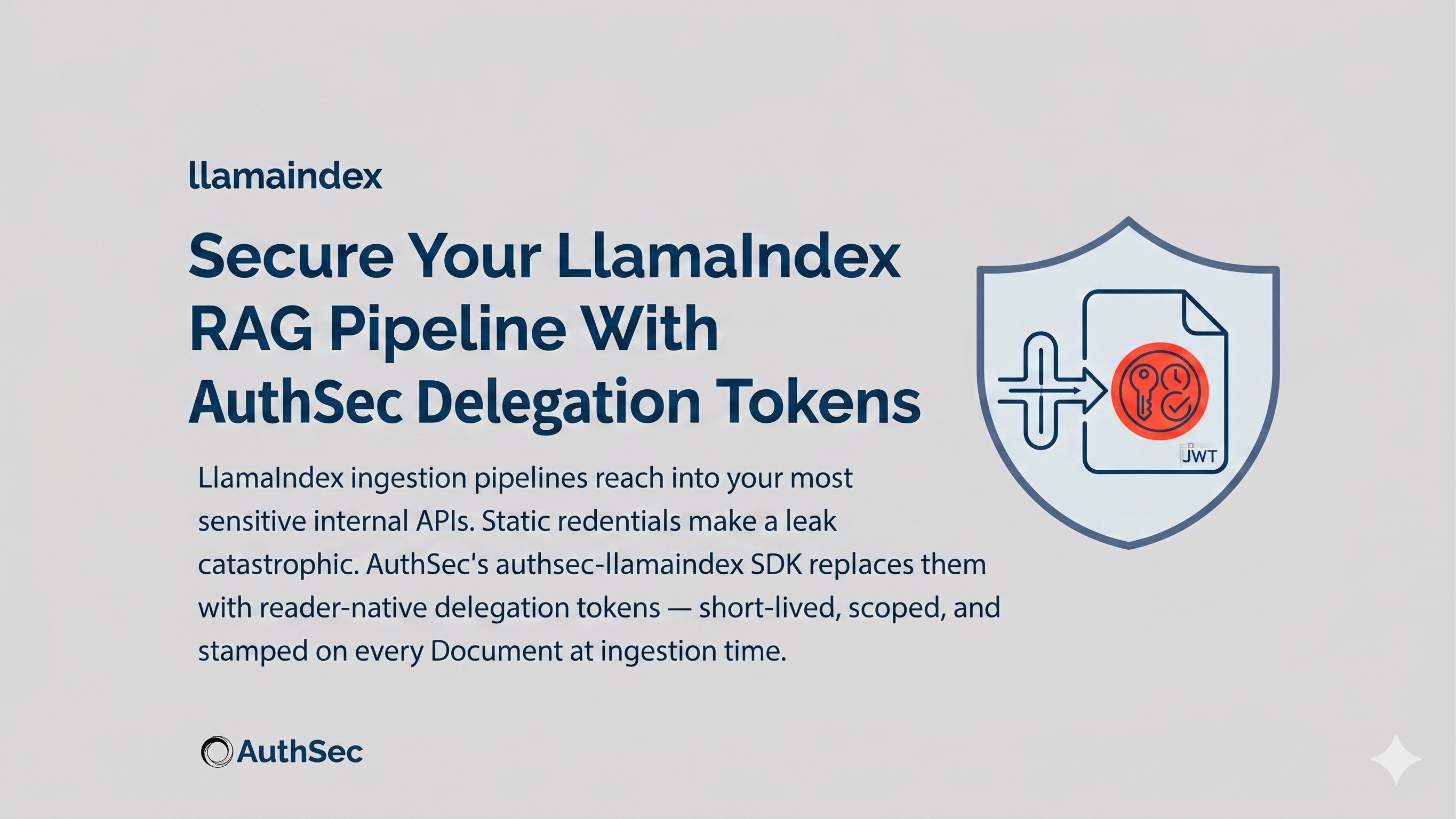
Secure Your LlamaIndex RAG Pipeline With AuthSec Delegation Tokens
LlamaIndex ingestion pipelines reach into your most sensitive internal APIs. Static credentials make a leak catastrophic. AuthSec's authsec-llamaindex SDK replaces them with reader-native delegation tokens — short-lived, scoped, and stamped on every Document at ingestion time.
BIBishnu·May 29, 2026·7 min read
Security
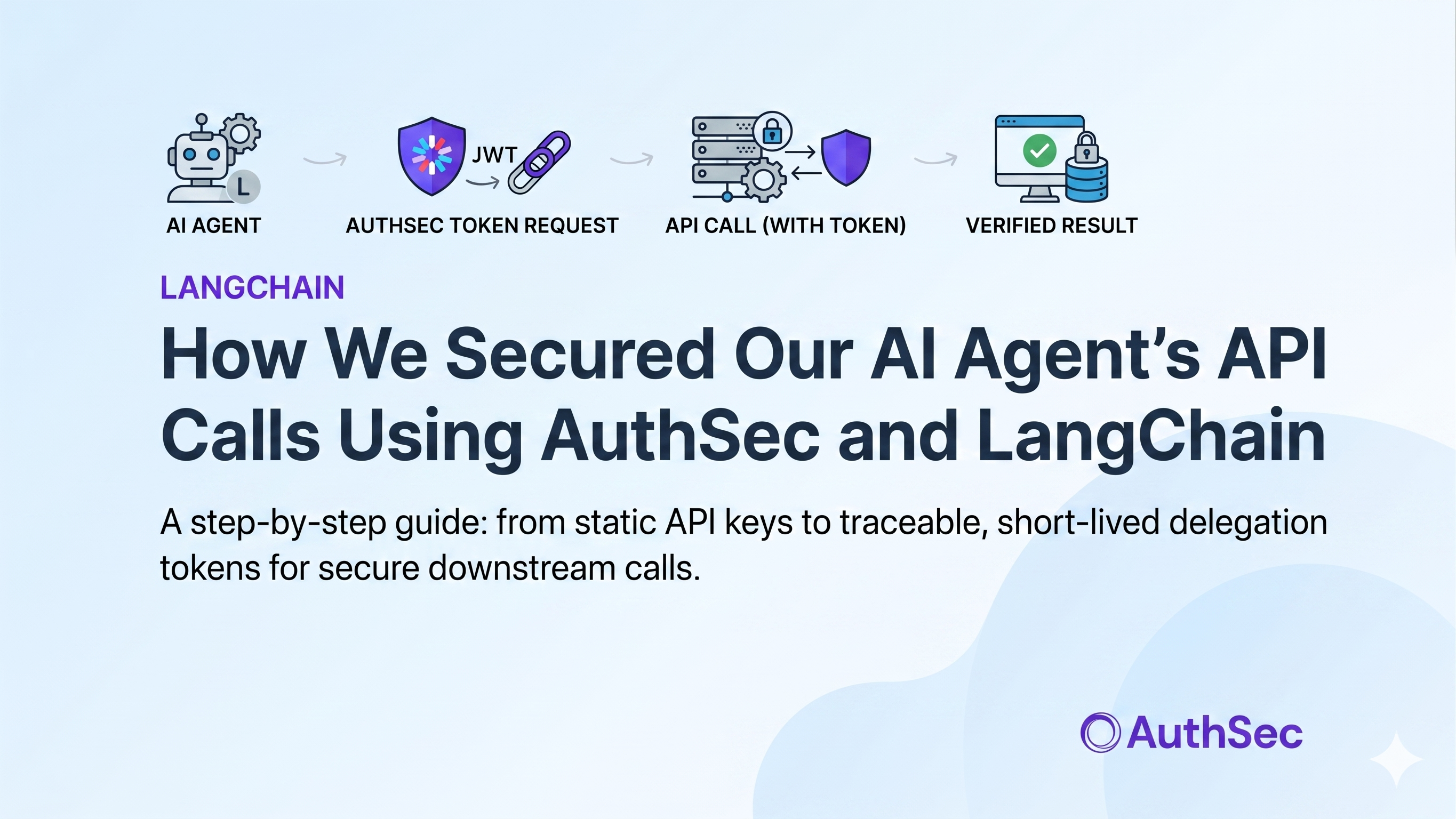
How We Secured Our AI Agent's API Calls Using AuthSec and LangChain
AI agents need to call real APIs on behalf of real users — but static API keys hand them a master key to everything. Here's how we replaced long-lived service tokens with AuthSec delegation tokens in LangChain tools, giving agents a bounded, traceable, short-lived identity for every downstream call.
BIBishnu·May 22, 2026·8 min read
Security
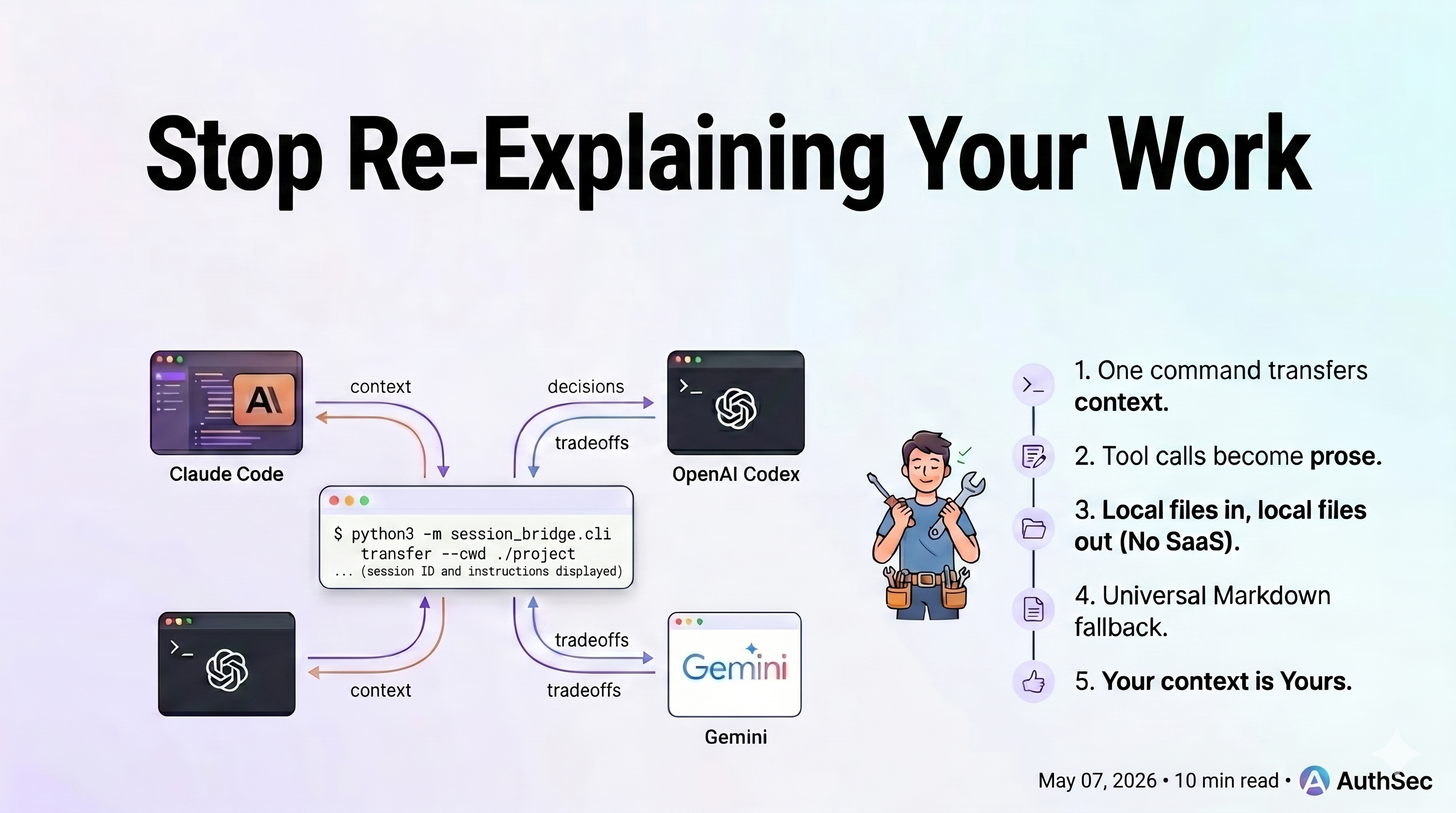
Transfer Claude Code Sessions to OpenAI Codex and Gemini — One Command to Sync AI Agent Context
You hit Claude context limit mid-problem, switch to Codex, and spend 20 minutes re-explaining the same architecture. We built a small CLI that transfers your AI agent session — context, decisions, tradeoffs — between Claude Code, Codex, and Gemini in one command.
RKKRitam Kumar Kundu·May 7, 2026·10 min read
Security
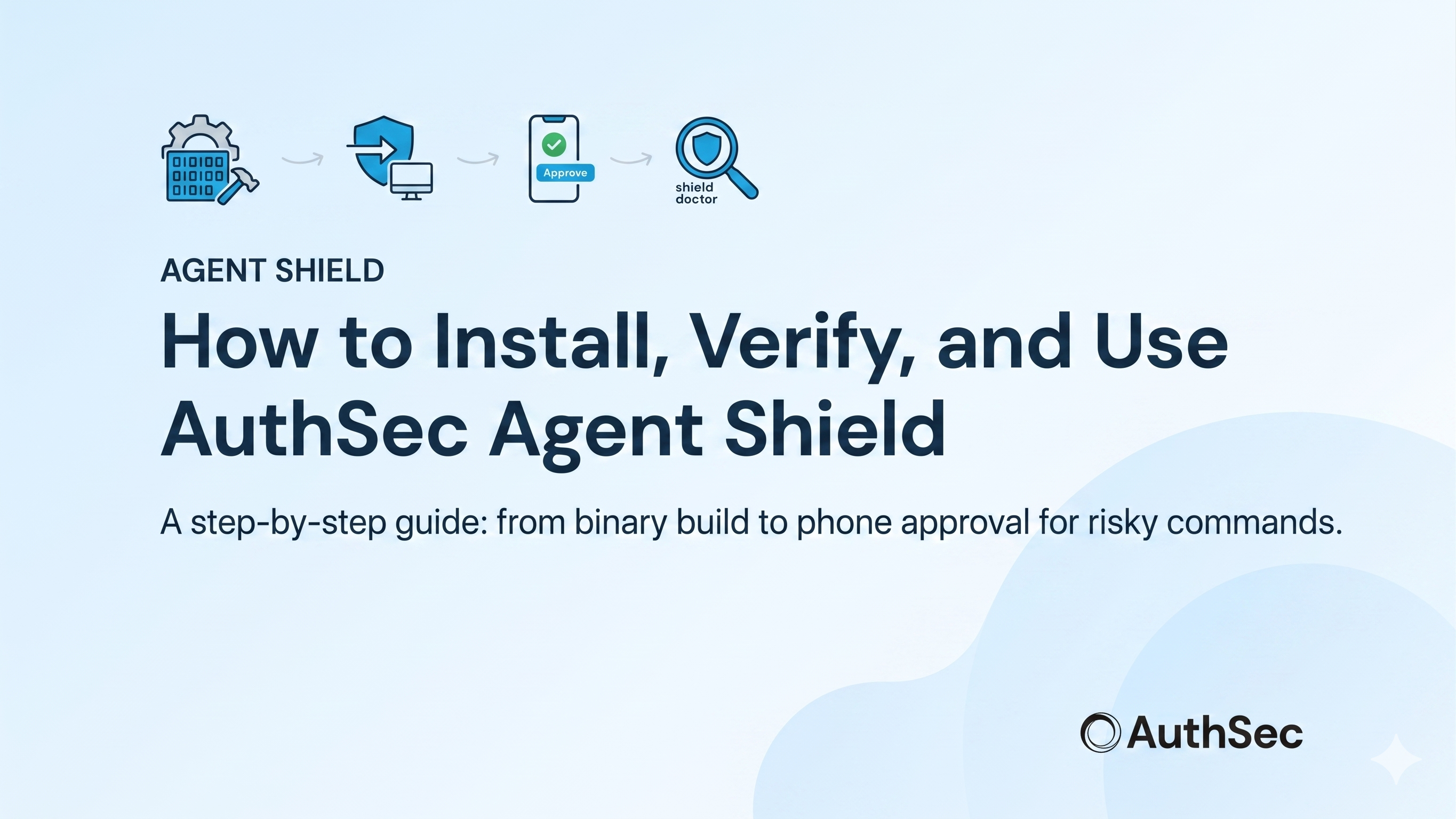
How to Install, Verify, and Use AuthSec Agent Shield
A complete step-by-step guide to getting AuthSec Agent Shield running on your machine — from building the binary to approving your first blocked command on your phone.
BIBishnu·May 5, 2026·7 min read
Page 1 of 3